A gaming guild or clan stays together for weeks or multiple seasons, unlike a party formed for one or two matches today. It might be a League of Legends custom-game community, a PUBG scrim clan, or a VALORANT ranked or Premier team. Joining on name and size alone can lead to a quick exit when attendance expectations or culture do not fit, so evaluate goals, culture, operations, and the exit process in that order.
What are the differences between gaming guilds, clans, and parties?
| Group type | Typical duration | Primary activity | What to check |
|---|---|---|---|
| One-session party | One or two matches | Immediate matchmaking or ranked play | Mode, rank, and end time |
| Regular duo or team | A few days to a season | Coordination, climbing, and practice | Roles, feedback, and schedule |
| Guild or clan | At least one season | Social play, custom games, scrims, and events | Culture, leadership, obligations, and exit rules |
Set the purpose of membership in one sentence
Describe the experience you want in one sentence—for example, 'a social guild that plays unrated on weeknights and hosts a monthly custom game'—instead of asking only for a large guild. A social server will not suit someone focused on tournaments, and a competitive clan with daily attendance will not suit someone who wants occasional casual play.
- Social group: Conversation and playing together matter more than the result.
- Ranked group: Climbing and improving with players of similar rank and compatible roles take priority.
- Tournament or scrim group: A fixed roster, practice schedule, and structured feedback come first.
- Content group: Streaming, video or clip production, and community events take priority.
- New or returning player group: Learning the game, asking questions, and mentoring take priority.
Where to find promising guilds and clans
- 1Check out the game’s official community — If there is an official forum or community guild/clan recruitment bulletin board, look at the most recent posts first.
- 2Review the community's recent activity — Look beyond the recruitment copy at recent gameplay posts, clips, and the way members speak to one another.
- 3Ask a trusted teammate for an introduction — Ask why they recommend the group, when it is active, and what the atmosphere is actually like.
- 4Narrow the list to two or three groups — Keep only groups whose entry requirements and active hours fit, then ask each leader the same questions for a fair comparison.
- 5Decide after a trial session — Before making a long-term commitment, join one or two regular parties or custom games and compare the stated rules with the real culture.
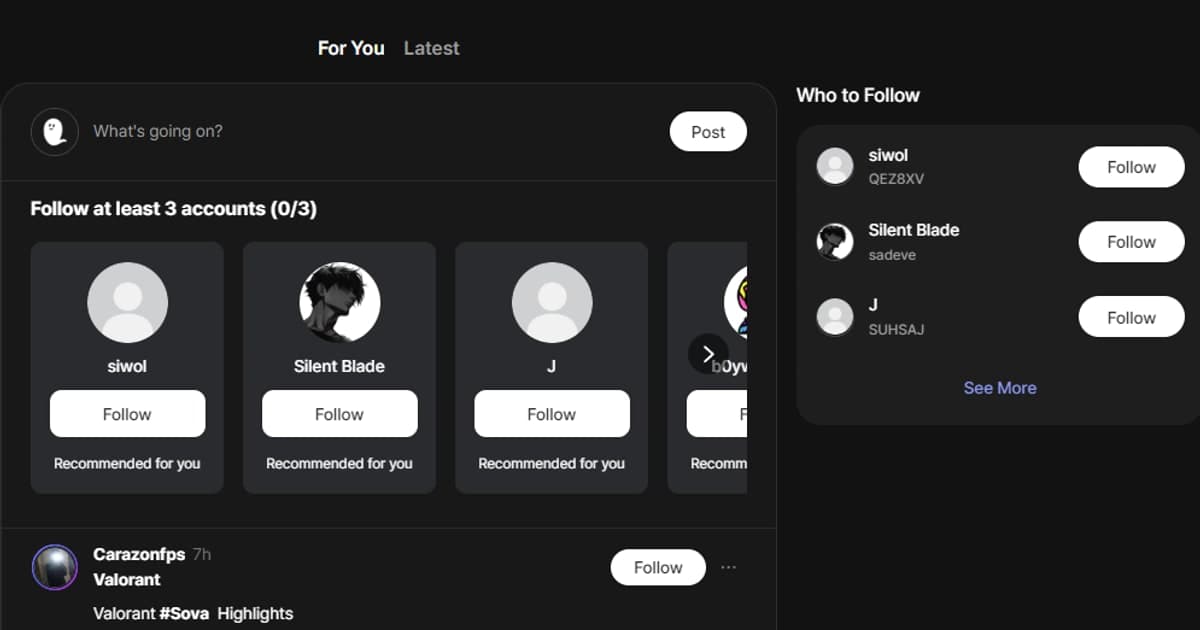
Browsing gaming communities in the DOR Guild Plaza is one way to find possible groups. A listing does not mean every guild has been verified to the same standard or will match your playstyle. Review its introduction, recent activity, and operating rules before joining.
Questions to ask the leaders before joining
| Topic | Example questions | Why it matters |
|---|---|---|
| Activity | How often must members log in, and when are regular matches held? | Confirms that the time commitment fits your life |
| Game | What is the main mode, average tier, and role composition? | Make sure you actually have someone to play with |
| Culture | What are the rules on abusive language, public criticism, feedback, and voice chat? | Reveals whether written rules match everyday behavior |
| Moderation | Who handles disputes and reports, and under what standards? | Checks whether the resolution process is clear |
| Costs | Are there membership fees, item fees, or competition participation fees? | Confirms why money is requested and how it will be used |
| Leaving | What happens when a member takes a break or leaves, including to their personal data? | Identifies notice requirements and data-retention risks |
How to tell whether a guild's culture suits you
- Do members avoid publicly humiliating someone for a mistake, regardless of the result?
- Do new members have the opportunity to participate in parties and conversations?
- Do established friend groups avoid monopolizing every decision?
- Do leaders act on discrimination and sexual harassment instead of ignoring it?
- Do members give feedback only when requested or agreed, without forcing unsolicited coaching?
- Are absences and members' lives outside the game respected?
- Do you have the freedom to take a break from the game or play another game?
- When a problem occurs, do moderators check evidence and hear the people involved before trusting rumors?
How to use a guild trial period safely
- 1Submit only the minimum profile — Start with your game nickname, rank, role, and usual play hours. Do not provide your real name or detailed address.
- 2Join more than one kind of activity — Join regular parties, voice channels, and—when available—custom games or scheduled events, so your decision is not based on one person's account.
- 3Compare announcements and actual actions — See whether rules on abusive language, welcoming newcomers, and attendance are followed in practice.
- 4Refuse requests for money or accounts — If there is a membership fee, confirm its use and the refund or exit policy. Refuse account-rental and proxy-play requests.
- 5Make a clear decision when the trial ends — Tell the leaders whether you will stay, need more time, or leave, then remove any permissions and connections you no longer need.
Guild and clan red flags to avoid
| Red flag | Why it matters | Recommended response |
|---|---|---|
| Request to share a game account or let someone play on your behalf | Risk of rule violations and account theft | Refuse and report if necessary |
| Unclear membership fees or advance item deposits | No transparent purpose or refund responsibility | Do not pay; request written terms |
| Excessive attendance demands or personal-life reporting | Attempts to control your time and invade privacy | Set boundaries or leave |
| Threats when leaving or threats to expose personal information | Makes a safe exit impossible | Preserve evidence, then block and report |
| A ban on questioning leaders and arbitrary punishments | No accountable dispute-resolution process | Choose a different community |
Steps to neatly leave a guild or clan
If the culture is not a fit, you do not have to convince everyone of your reasons. Hand over any active tournament duties, reservations, or shared materials, tell the leaders briefly that you are leaving, and remove your in-game guild and Discord roles. If you submitted a profile or verification material through another site, also request its deletion.
- Check for promised schedules and shared assets, and hand over only what is necessary.
- State your departure date and intent clearly to the leaders instead of making an emotional public announcement.
- Remove connections/permissions from game guilds, Discord, calendars, and external tools.
- If you paid a membership fee or deposit, keep settlement records and the terms shown when you joined.
- If anyone threatens you, exposes personal information, or accesses your account, preserve conversations, report the incident, and secure the account.
Minimum rules guild leaders should publish
Guild leaders should publish concrete operating rules instead of relying on vague claims such as 'good atmosphere.' One document should cover the main game and schedule, joining and trial requirements, inactivity and exit rules, prohibited conduct, reporting contacts and sanction steps, membership-fee use, and personal-data retention. When rules change, announce the effective date and reason, and hold moderators to the same standards to build long-term trust.