Let's start with the conclusion. For early channel reach and gaining subscribers, Shorts are overwhelmingly faster, while ad revenue and real fandom are built in long-form. So the answer isn't one or the other but running both in parallel while adjusting the balance to your channel's growth stage. In this article, we'll compare Shorts and long-form head to head and lay out what to do first at each stage from zero subscribers to monetization.
Shorts vs Long-Form, at a Glance
The two formats play different roles. Shorts are an entrance the algorithm pushes hard, so even with no subscribers, one video that hits can pull hundreds of thousands of views. Long-form, on the other hand, has more watch time and mid-roll ad slots, so the revenue per view is higher, and a viewer who watches a video all the way through stays as a real fan. Below we've organized reach, revenue, and production difficulty in a list.
- Reach, Shorts: Possible with 0 subscribers, strong at drawing in new viewers / Long-form: Slow on early reach but accumulates views over time through search and recommendations
- Revenue, Shorts: Low per-view rate, immediate but small / Long-form: Higher rate based on mid-roll ads and watch time, and easier to connect to sponsorships and your own store
- Production difficulty, Shorts: Needs hooking edits that grab attention within a second / Long-form: Longer pacing means a heavier planning and structure burden, but less obsession over hooking
- Growth speed, Shorts: Fast short-term subscriber growth / Long-form: Slow but builds highly loyal subscribers
- Monetization requirements, Shorts: 1,000 subscribers and meeting the Shorts view threshold / Long-form: 1,000 subscribers and 4,000 hours of watch time
Why Picking Only One Is a Loss
Shorts and long-form aren't competitors but parts of a funnel. Shorts pull new viewers in through a wide entrance, and long-form takes those viewers into a deeper relationship. In fact, analyses keep showing that channels running both formats together grow faster than channels running only one. With only Shorts, subscribers grow but revenue and fandom stay weak, and with only long-form, people don't gather early on and you burn out.
Game content is especially well suited to building this funnel structure. Within a single match, there are both highlight scenes to use for Shorts and an overall flow to unpack as long-form at the same time. It means you can pull source material for both formats out of one and the same play.
Stage-by-Stage Strategy: From Zero to Monetization
Stage 1, From 0 to 1,000 Subscribers: 7 Shorts, 3 Long-Form
At this stage, getting your channel in front of people is the top priority. Post 3 to 5 Shorts a week consistently to signal to the algorithm that your channel is active. Short, strong clips where the result is visible within a second, like a one-round ace or clutch in Valorant, work well. Long-form is fine to start at around 1 a week, just enough to show your channel's personality.
Stage 2, Just Before Monetization, 1,000 to 10,000: 5 Shorts, 5 Long-Form
Once you've gathered a fair number of subscribers, raise the long-form share to fill the 4,000 hours of watch time. At this stage, structures that make viewers watch to the end matter, like a full-match video covering an entire round of League of Legends with commentary, or champion-by-champion guides. Keep Shorts as a channel for new viewers, but shift the weight so long-form becomes the channel's revenue engine.
Stage 3, After Monetization, 10,000 and Up: Long-Form Centered, Shorts as Inflow
After monetization, long-form becomes the main act. That's because most revenue, like ad rates, sponsorships, your own store, and memberships, comes from long-form and fandom. At this point, Shorts serve as trailers, cutting highlights from each new long-form video to keep pulling in new viewers. A structure that spins off 3 to 4 Shorts from a single long-form video is efficient.
Source Material Is the Strategy
No matter how good the stage-by-stage strategy is, it can't be executed without the raw source material of Shorts clips and long-form full videos. Many game creators run into the problem of their recording being off when a great scene finally happens, or running short on long-form material because they didn't save full matches separately. It's important to keep both formats in mind from the source-gathering stage.
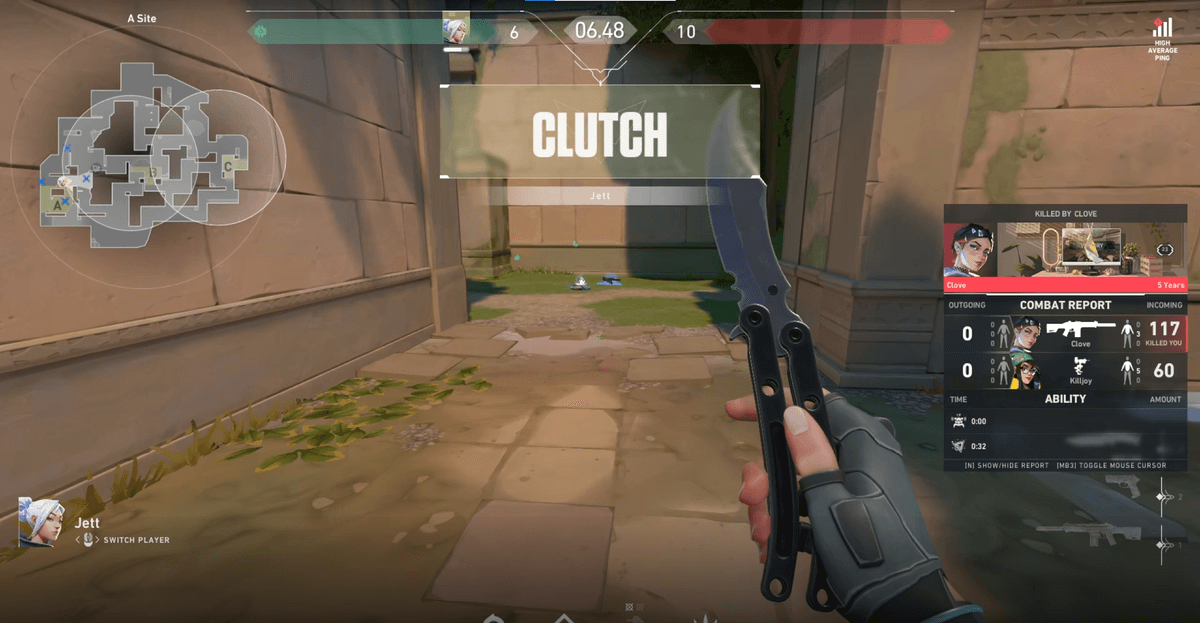
DOR records your game as a full match while simultaneously saving highlight moments as clips automatically. In other words, with a single play you can secure both short clips for Shorts and full recording material for long-form at the same time. The highlight clips become Shorts hook videos as is, and the full-match recording can be unpacked into long-form with commentary added. It fills both sides of the funnel in one go.
To sum up, Shorts and long-form aren't a matter of choice but of order and balance. Early on, gather people with Shorts, then take the people you've gathered to long-form to convert them into fans and revenue. And if you leave both formats' source material behind every match, you can respond right away with what you have whenever the stage changes, without filming anew.