Treat “clan” as an informal recurring group unless the organizer clearly explains otherwise; it is not proof of an official Fortnite organization. Align on Build versus Zero Build and competitive versus Creative first, then rotate calls for the drop, materials, shared loot, and reboot priority during the trial.
Publish conditions that both sides can verify
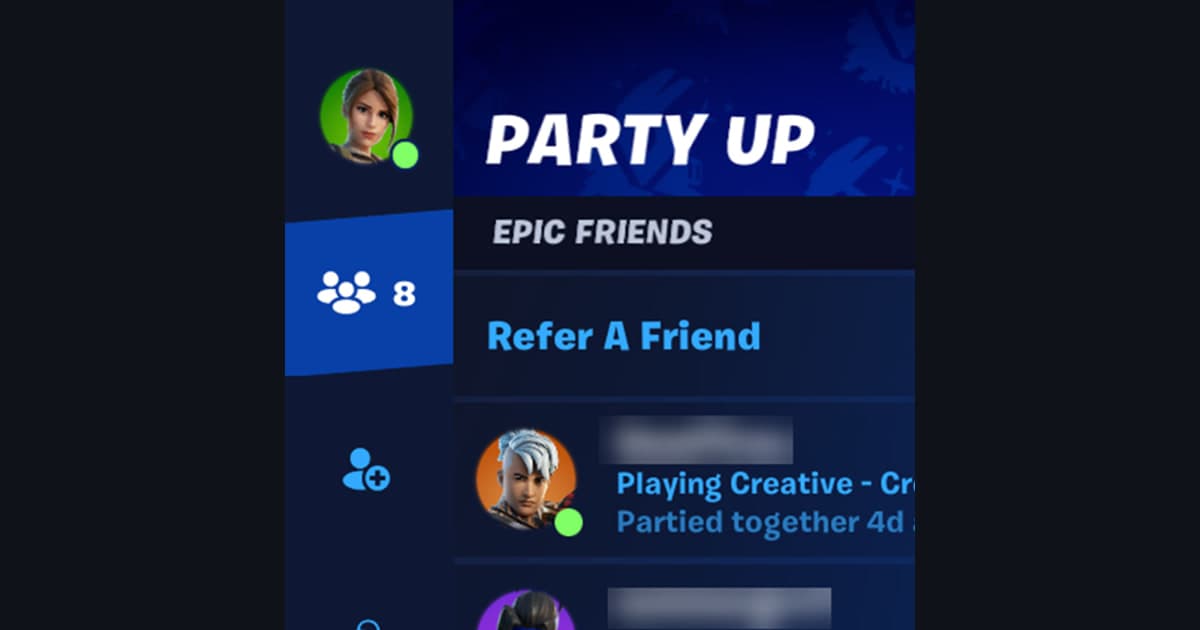
For long-term Battle Royale, Zero Build, or Creative groups, agree on Build or Zero Build, IGL, fragger, support, and creator responsibilities before queueing and use two public Duo or Squad matches plus fifteen minutes in Creative to observe the actual role swaps and calls. The current official boundary is that the in-game Looking for Party flow supports up to three play-style tags and the official Discord also has LFG channels.
Safety checklist before opening an invitation
- The post names a server region and platform, not a physical location
- Rank or experience and the actual goal are separated and honestly stated
- Primary role, flex role, voice language, time zone, and end time are clear
- The trial has a small scope, an end point, and behavior-based criteria
- Everyone consents before a demo, clip, voice recording, or statistic is shared
- There is no password, code, document, payment, gift, account-loan, or unknown installer request
- Minors can use parental controls, block/report tools, and limits on off-platform contact
Five fields for a useful Fortnite recruitment post
| Field | Put in the post | Verify in the first trial |
|---|---|---|
| Region | Server, platform, and playable ping | Latency and connection quality on one shared server |
| Rank and goal | Current range, mode, and casual/climb/event goal | Honest difficulty and feedback expectations |
| Role | Build or Zero Build, IGL, fragger, support, and creator responsibilities plus a realistic flex option | Overlap, call ownership, and willingness to rotate |
| Voice | Language, microphone, and listen-only option | Audio quality, respect, and no intrusive questions |
| Schedule | Days, time zone, start/end, and frequency | Punctuality and respect for the agreed finish |
A safe sequence from post to invitation
- 1Write one scannable profile — Lead with region, rank range, primary and flex roles, voice language, days, time zone, and session length. Do not promise wins, rewards, or guaranteed promotion.
- 2Ask every candidate the same questions — Compare availability, preferred and fallback role, desired atmosphere, feedback style, and how they handle a missed session or disagreement.
- 3Keep verification inside the game — Review public profiles and consensual gameplay only. Refuse passwords, one-time codes, documents, payments, account sharing, remote control, and unknown downloads.
- 4Run a bounded trial — Use two public Duo or Squad matches plus fifteen minutes in Creative to observe calls, role execution, response to mistakes, and punctuality. Nobody should demand permanent membership or a separate installer on day one.
- 5Agree before scheduling again — Confirm the next session, absence notice, boundaries for clips and voice, moderation route, and the right for either side to leave without pressure.
Use DOR to inspect public play context, not to assume trust
Use the DOR Fortnite page only as optional public-play context. Structure the recruitment conditions with the gaming guild and clan finder, then apply the link and moderation checks from the gaming Discord server finder to any external voice server.
Recheck live features and restrictions at the official source
Official Fortnite guidance explains that the in-game Looking for Party flow supports up to three play-style tags and the official Discord also has LFG channels. Recheck the current season and client rules on the day of recruitment.